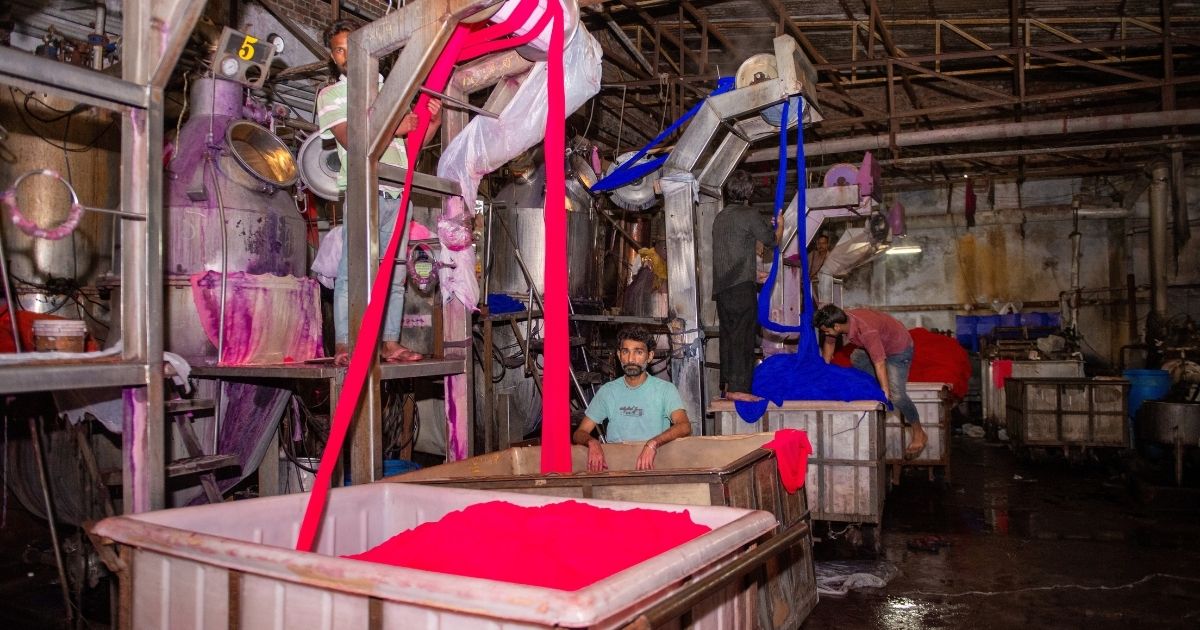
If you walked into most dyehouses today, the machines wouldn’t look dramatically different from those installed decades ago. Large stainless-steel vats. Thousands of litres of heated water. Long processing cycles. Rinse. Drain. Repeat. And yet, it’s 2026.
Fashion brands are innovating everywhere, such as AI forecasting and carbon dashboards. However, when it comes to one of the most resource-intensive stages of textile production, particularly, textile dyeing, the industry is still using methods rooted in the last century.
That brings the real question whether executing sustainability is hard, but why are we still dyeing like it’s 1995?
The Infrastructure Trap
Conventional dyeing became the global standard for one simple reason, it worked. It’s affordable, scalable, flexible across fibres, and embedded into supply chains across Asia, Europe and beyond. But it was built for a different era.
An era before carbon accounting.
Before Scope 3 disclosures.
Before water scarcity became a board-level risk.
Before brands had to justify every environmental claim with hard data.
Traditional jet dyeing and exhaust systems depend on bulk water, high liquor ratios, steam heating and wastewater treatment. Even with improved efficiency over the years, the underlying model hasn’t changed, it immerses fabric in a dye bath and use heat to fix the colour. That process consumes significant water and thermal energy, and those two factors are exactly what regulators, investors and brands are now targeting.
Optimisation Is Not Reinvention
Yes, machines have improved. Liquor ratios have dropped. Heat recovery systems have been added. Effluent treatment has advanced. Yet, these are optimisations of an old architecture.
When brands ask suppliers to reduce water use, cut emissions and deliver verifiable environmental data, they are still largely asking 1990s infrastructure to behave like 2030 technology. That gap is widening.
And it’s creating tension across the supply chain:
- Brands need measurable reductions.
- Tighten policies.
- Margins remain tight.
- Capital expenditure is risky.
- Therefore, the default is incremental improvement, however, at the same time, incremental improvement won’t deliver transformational impact.
The Industry Has “Changed”
Fashion today moves faster. Lead times are shorter. Colour accuracy expectations are higher. Data transparency is mandatory.
Digitalisation has reshaped design, logistics and retail. Yet colour application, the stage that locks in water, energy and carbon cost, remains stubbornly analogue.
If dyeing is one of the largest contributors to water use and industrial wastewater in the textile sector, then leaving it structurally unchanged becomes a strategic risk, definitely not just an environmental one.
What Would 2026 Dyeing Look Like?
Modern dyeing would not rely on bulk water to carry colour, nor would it require heating thousands of litres just to fix it. Instead, it would generate data at the source in real time, supporting transparency, reporting, and compliance. Electrification of processes would be the norm, not an afterthought, allowing mills to decouple their operations from fossil-fuel dependency.
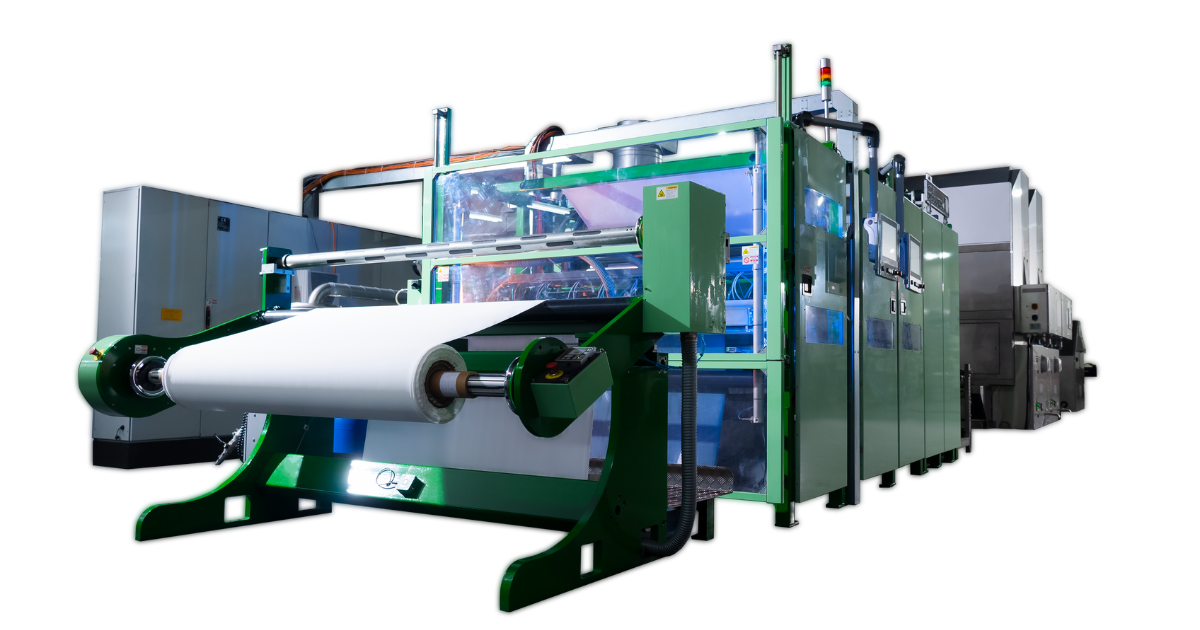
This is where digital dyeing technologies like Endeavour™ by Alchemie Technology make the difference. Rather than immersing fabric in a bath, Endeavour™ applies precisely controlled micro-droplets directly onto the textile surface. By eliminating bulk water and large-scale heat requirements, it drastically reduces energy consumption while maintaining precision, consistency, and scalability.
The change is structural, not incremental. And that structural transformation matters because decarbonisation targets, water regulations, and supply chain reporting are not temporary trends. They are long-term constraints that will continue to shape operations for decades to come.
 The Real Question
The industry is no longer debating whether dyeing must evolve. The debate is about timing. Every year conventional wet dyeing remains the dominant model, brands lock in water use, energy consumption, and carbon intensity that become increasingly difficult and expensive to unwind later.
Perhaps the better question isn’t why we are still dyeing like it’s 1995, it’s how long can we afford to wait?